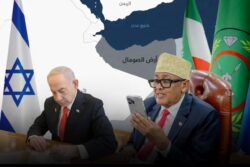
The usurping entity’s announcement recognizing the so-called “Somaliland region” constitutes another link in the chain of normalization efforts through which it seeks to break its imposed isolation and entrench its presence as a fait accompli, at a time when the Palestinian people continue to endure occupation, siege, aggression, and genocide.
Such steps contribute to diluting the core of the Palestinian cause and diverting attention away from inalienable rights—foremost among them the rights to freedom, self-determination, and return—in exchange for expanding “normal” relations with an entity built on oppression and settlement expansion.
Any recognition of or openness toward the occupation weakens the just Palestinian narrative and grants the occupier unearned legitimacy, despite its long record of violations and crimes against civilians. It also encourages impunity and undermines efforts aimed at achieving justice for the Palestinian people and restoring their rights.
The impact of normalization does not stop at the political level; it extends deeply into collective consciousness, reshaping perceptions by portraying the occupation as a normal actor in the region, while Palestinians are denied their most basic human rights and continue to pay an ongoing price in blood, land, and future.
This development reaffirms that rejecting normalization is not a secondary option or a situational stance, but a moral and humanitarian obligation—essential to protecting the Palestinian cause from attempts at liquidation and preserving the justice of a people’s struggle for dignity, life, and freedom.