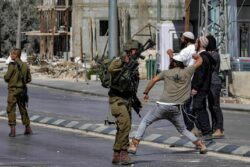
Violence in the West Bank is no longer a passing headline in news bulletins; it has become a steady rhythm of daily life. In 2025, attacks intensified to the point that they appeared to form a new language of the place—a language written in stone, fire, and prohibition, translated into the loss of land and peace of mind alike. Here, where the olive tree is both memory and identity, access to fields has turned into a gamble, and living on the land into an open struggle against a reality managed through systematic violence.
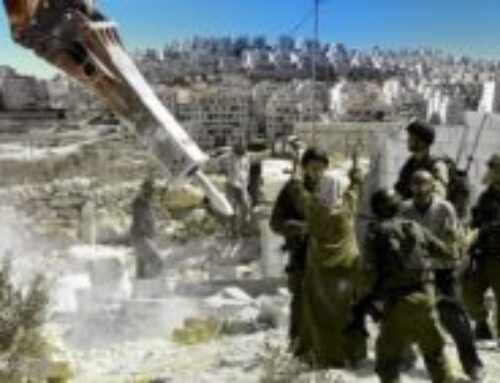
Data from the United Nations, alongside local and international human rights reports, indicate an unprecedented surge in settler attacks against Palestinian civilians throughout the year. These assaults went beyond physical violence to include the destruction of property, the burning of trees, the looting of crops, and preventing access to agricultural land—rendering daily survival itself an act of resistance.
Figures That Reveal the Scale of the Explosion
Over a single year, approximately 740 attacks were documented, resulting in injuries to more than 340 Palestinians and damage to nearly 200 residential communities. This marks the highest annual rate since documentation began in 2006, averaging four attacks per day. Violence peaked during the olive harvest season in October 2025, with 126 attacks recorded in that month alone—clear evidence of an escalating, systematic pattern in areas adjacent to settlements.
Geography Under Pressure
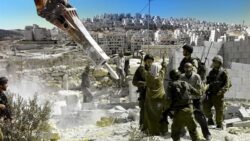
The northern governorates—Nablus, Jenin, and Tulkarm—were the most affected, with repeated targeting of agricultural lands and farms. In the central West Bank, Ramallah and Bethlehem saw a notable rise in attacks during the harvest season. The south, particularly Al-Khalil and Jericho, recorded fewer incidents in number, but they were the most severe, frequently involving live fire and the burning of property.
Reports show a direct correlation between attacks and agricultural seasons, especially olives and harvest periods. Researcher Raed Muqdi, a specialist in settlement affairs, explains that these are not isolated incidents but part of an organized pattern aimed at seizing land and undermining community stability. He adds that what distinguishes 2025 is the comprehensiveness of the attacks—from physical assaults to the destruction of agricultural property, the burning of trees, and denying farmers access to their land—intensifying economic and psychological pressure and turning everyday life into a battle to remain.
Muqdi warns that the expansion of settlements and new outposts deepens friction points and raises the likelihood of confrontation, noting that Palestinians are paying a double price: the loss of land and a constant threat to their lives and property. This, he argues, underscores the urgent need for serious international intervention to protect civilians and hold perpetrators accountable.
Exposed Complicity
Zionist media reports revealed the involvement of soldiers from the usurping entity in these attacks—either by providing protection to settlers or by assaulting Palestinians attempting to defend themselves. The human rights organization Yesh Din documented 54 violent attacks in October alone, confirming the wide margin granted by the occupation to settlers.
Documented Violence… Without Accountability
Settler militias do not stop at committing attacks; they document and boast about them on WhatsApp and Telegram groups—burning homes and vehicles, vandalizing olive trees, and stealing livestock and crops. During the olive season, dozens of homes and vehicles were burned, thousands of olive trees cut down, and hundreds of cases of vandalism and theft recorded—all without effective oversight or deterrent accountability.
A Deepening Humanitarian Impact
The United Nations warns that the continuation of these attacks exacerbates humanitarian conditions in the West Bank, including the loss of agricultural produce, the destruction of essential property, and the erosion of any sense of safety—particularly among farmers and residents living near friction zones. This sustained violence threatens social and economic stability and places severe psychological pressure on communities already living under profound uncertainty.
A Comparison That Condemns the Year
Compared to 2024, which recorded 675 attacks, the number in 2025 reached 692 by mid–olive harvest season alone, with projections of an increase of nearly 25 percent by year’s end—making it the most violent year since 2006.
In the West Bank, violence is no longer incidental; it is a policy implemented deliberately on the ground. The year 2025 inscribed a heavy chapter in the record of assaults: seasons targeted, geography besieged, and civilians left without protection. Between an olive tree set ablaze and a field denied, it becomes clear that the struggle is not over a harvest, but over existence itself.